
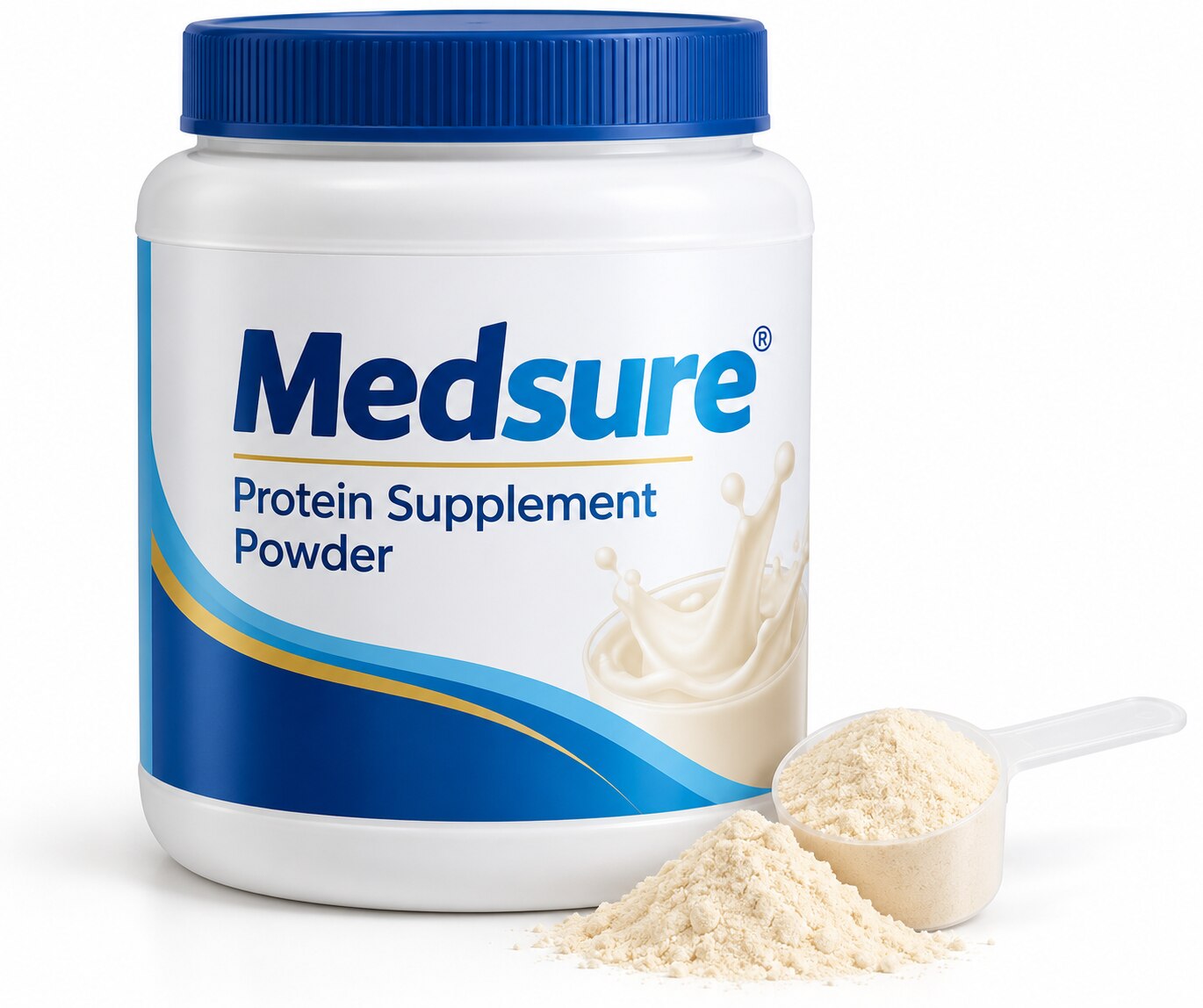
A clinic cannot choose a protein supplement safely from a product name or diabetic-focused claim alone. You will need to verify the product category, nutrition panel, patient suitability, preparation controls and supplier documentation before deciding whether Medsure belongs in your clinic’s stock or care pathway.
Key takeaways
- Request the product category and batch-specific dossier before clinic use.
- Compare protein grams, serving size, calories, sugars, sodium, and allergens.
- Match the formula to renal, diabetic, swallowing, and malnutrition needs.
- Check supplier continuity, licence records, batch traceability, and storage controls.
Start with the product category and a complete Medsure dossier
Before treating a Medsure powder protein supplement for clinics in Pune as clinical nutrition, identify its regulatory category and obtain a batch-specific dossier. A protein supplement sold through a healthcare channel is not automatically a drug, medical food, or enteral formula.
Request these records from the manufacturer or authorised supplier:
- Exact manufacturer and marketer names, manufacturing-site address, FSSAI licence number, product category, and label artwork.
- Complete ingredient list, protein source, allergen declaration, serving size, scoop weight, nutrition panel, and permitted claims.
- Batch number, manufacturing date, expiry date, shelf life, storage conditions, and certificate of analysis for the supplied batch.
- Written preparation instructions, liquid volume, mixing method, administration frequency, maximum daily intake, and whether use is oral only.
- Evidence of microbiological controls and tube compatibility if anyone proposes administration through a feeding tube.
Medical protein powder options cannot be compared safely by brand name alone.
| Category | What to verify | Why it matters |
|---|---|---|
| Food or health supplement | FSSAI category, label and permitted claims | Does not establish treatment of diabetes, kidney disease or malnutrition |
| Medical nutrition product | Intended patient group and clinical-use documentation | May provide more specific use instructions |
| Drug | Drug licence, approved indications and prescribing information | Carries a different evidence and regulatory standard |
Reject a dossier that relies only on an invoice or claims to heal disease. Check milk, soy, egg and wheat allergens before approval. A dietitian or clinician must review renal status, allergies and feeding route before recommendation.
Compare nutrition data instead of counting scoops
Compare Medsure by declared nutrient amounts per prepared serving, not by the number of scoops in the tub. A scoop is not a standard unit: serving mass, protein concentration and total servings can differ widely between a protein powder for clinics and other medical protein powder options.
| Measure | What to compare | Why it changes the decision |
|---|---|---|
| Protein | Grams per serving, protein source, and amino-acid profile if supplied | Whey, casein, soy and mixed proteins differ in digestibility, allergens and clinical suitability |
| Serving basis | Scoop weight, total serving mass, preparation volume and servings per container | Two products with “25 servings” can deliver very different daily protein |
| Carbohydrate | Total carbohydrate, total sugars, added sugars and calories per serving | A high-protein product can still raise glucose when its carbohydrate load is high or undisclosed |
| Other nutrients | Fat, fibre, sodium and fortified vitamins and minerals | These values affect renal, cardiac, gastrointestinal and broader diet planning |
| Safety details | Milk, soy, egg, wheat and other allergen declarations, plus cross-contact warnings | Do not infer the protein source from the product name |
| Administration | Mixing instructions, osmolality, viscosity, microbiological controls and tube compatibility | An oral supplement is not automatically suitable for tube feeding |
Ask for the current label, ingredient list and batch certificate of analysis before comparing products. Reject a numerical comparison if the serving size, protein quantity or carbohydrate values are missing. For diabetes screening, record grams per prepared serving alongside the patient’s meal plan; “high protein” alone proves nothing.
Match the supplement to the patient, not the marketing claim
A Medsure protein supplement is not suitable for every patient labelled “protein deficient.” Before recommending it, confirm the product category, complete ingredient and nutrition panel, protein source, serving mass, carbohydrate and sugar values, preparation directions, and intended route of administration. If these details are missing, pause the recommendation.
1. For diabetes, check total carbohydrate, total sugars, added sugars, calories and serving size—not protein grams alone. Match the powder to the meal plan, medicines and current glucose control, then monitor glucose after introduction.
2. For kidney disease, record diagnosis, eGFR, dialysis status, acute illness, fluid limits and relevant electrolyte results. A patient with non-dialysis chronic kidney disease may need protein restriction, while dialysis or acute illness may raise requirements; individualise the prescription.
3. For allergies, read the full ingredient and allergen declaration. Check milk, soy, egg, wheat, nuts and manufacturing cross-contact, then document any previous reaction before using the protein powder for clinics.
4. For children, verify an age-specific indication and dose; do not infer paediatric suitability from an adult serving. For older adults, assess swallowing, cognition, mobility and aspiration risk.
5. For tube feeding, do not assume an oral product is compatible. Require evidence on sterility or microbiological controls, osmolality, viscosity, tube blockage risk, dilution, flushing and administration instructions.
Reject the product for that patient when the label cannot establish safe dosing, carbohydrate exposure, allergen status or feeding-route compatibility. Keep the clinical decision separate from claims such as “supports diabetes,” “builds muscle” or “prevents malnutrition.”
Set preparation, monitoring and stock-handling rules
Use the label and approved patient plan as the control document. Do not invent a scoop size, liquid volume, frequency or maximum daily intake when the pack does not state them; obtain written instructions from the manufacturer or prescriber.
A protein powder for clinics is not sterile, so prepare it in a clean area with clean hands, a dry dedicated scoop and safe water.
- Check the patient, product name, lot number, expiry date, allergen declaration and prescribed serving before opening the container.
- Measure the stated powder weight, not an approximate scoop, and mix it with the labelled liquid volume until no dry clumps remain.
- Give the mixture orally only when swallowing is safe. Use it through a feeding tube only after confirming tube compatibility, viscosity, osmolality, flushing and administration instructions.
- Label the prepared portion with the patient, preparation time and discard time. Do not keep leftover reconstituted supplement for the next dose unless the product instructions explicitly permit it.
- Record intake and observe for vomiting, diarrhoea, abdominal distension, rash, wheeze or breathing difficulty; stop and escalate suspected allergy or intolerance.
- Recheck weight, hydration, dietary intake and relevant glucose or renal results at the interval set in the care plan. Adjust or stop the medsure protein supplement only through the responsible clinician.
Keep the closed pack within its stated temperature and humidity limits, tightly sealed and away from moisture. Store by earliest expiry, quarantine damaged or short-dated stock, and record lot numbers for every patient dose. A supplier’s recall notice must reach the clinic quickly.
Evaluate a Medsure supplier in Pune on continuity and traceability
A recurring order should begin only after the supplier proves both product identity and supply continuity. For a Medsure powder protein supplement for clinics in Pune, classify the product first as a food or health supplement, nutraceutical, medical food, or drug; the category determines permitted ingredients, claims, labelling and clinical use.
1. Ask the Medsure powder supplier in Pune for the exact manufacturer or marketer name, FSSAI licence number, manufacturing-site address, product category, label, storage conditions and stated shelf life.
2. Require batch-level traceability: the invoice, delivery note, outer carton and certificate of analysis must identify the same batch number. The certificate should report protein identity and assay, microbiological limits, heavy metals where relevant, and controls for undeclared pharmaceutical adulterants.
3. Put continuity terms in the quotation or purchase order. Specify minimum remaining shelf life on delivery, delivery lead time, temperature and humidity exposure limits, replacement of damaged or short-dated packs, recall notification, and a written supply-continuity contact.
4. Reject a vague “third-party tested” claim. Request the laboratory name, test method, sample batch, test date and acceptance criteria; a distributor invoice alone cannot establish authenticity or clinical suitability.
Protect Life Sciences Pvt ltd. can be assessed against the same evidence if it is supplying or arranging this product: compare its batch documents and replacement process with the written specification, not with verbal assurances.
Do not approve a general Medsure protein supplement for every kidney patient. Record a clinician’s renal assessment because non-dialysis chronic kidney disease can require protein restriction, while dialysis or acute illness can change requirements.
Frequently asked questions
What documents should a clinic request for a Medsure powder protein supplement?
Request the product category, complete product dossier, ingredient and nutrition panel, batch number, certificate of analysis, shelf-life details, storage instructions, and the manufacturer or supplier’s applicable licence records.
How should clinics compare medical protein powder options?
Compare protein grams per 100 g and per prepared serving, serving size, calories, carbohydrate, added sugars, fat, sodium, fibre, allergens, amino-acid information, and preparation volume instead of counting scoops.
Which patients need extra screening before receiving a protein supplement?
Screen patients with renal or hepatic impairment, diabetes, food allergies, swallowing difficulty, fluid restrictions, gastrointestinal intolerance, or prescribed enteral feeding before selecting and preparing the supplement.
What preparation and monitoring rules should clinics set?
Use the stated powder-to-water ratio, clean and measured equipment, the specified water temperature, and the manufacturer’s discard time; record intake, tolerance, hydration, weight, and relevant clinical markers.
How can a clinic evaluate a Medsure powder supplier in Pune?
Check supply continuity, batch traceability, invoice and licence records, transport and storage controls, expiry management, complaint handling, and the supplier’s ability to provide replacement stock and batch documents.